

Caring for Your Pothos: Moving Made Easy
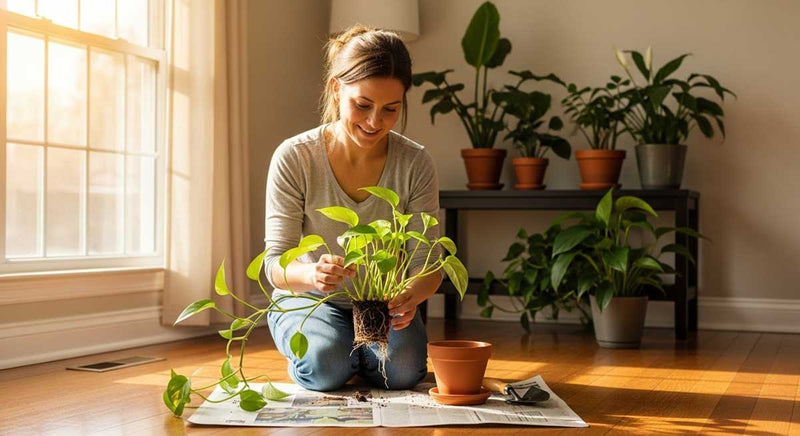
Moving a pothos plant might sound simple, but I've learned it can come with a few surprises if I don't take the time to prep right. Whether I'm repotting it for better growth or shifting it to a new location in my home, there's always something special about resetting the environment for a healthy, green start. But if I'm not careful, all that good intention can end up stressing the plant, and I've seen that happen more than once.
So whenever I get ready to transplant a pothos, I give myself a few clear steps to follow both before and after the move. That way, I can help minimize droop, avoid root shock, and keep my plant on track without having to troubleshoot too much later. Here's exactly how I handle it.

Getting Ready To Move Your Pothos
Before I even grab my gardening gloves or find a new pot, I take a few quiet minutes to check how my pothos is doing. This matters because if it's already stressed, moving it could make things worse. I start by looking at the leaves. Yellow or drooping leaves might be a sign that the plant's needs aren't being met—too much or too little water, not enough light, or even a pest problem.
Another thing I check is how root-bound it is. I gently lift the plant from the pot and look at the roots. If they're circling tightly, it's probably feeling cramped and ready for some space. If the roots are mushy or have a sour smell, that tells me I've got root rot on my hands, and I pause before moving forward.
Once that check is done, I pick out a new container. It needs good drainage holes and should be around 1 to 2 inches wider than the current pot. This prevents the roots from sitting in water and gives them just enough space to grow without getting swamped. I never make the jump to a way bigger pot right away. It tends to hold too much moisture, which stresses out my pothos more than it helps.
When it comes to soil, I go with something light and well-aerated. A typical indoor potting mix is okay, but I usually mix in a handful of perlite or pumice for drainage. Lately, I've also gotten in the habit of blending in a bit of worm castings when repotting. It gives it a nutrient boost that feels a little like a move-in gift.
Then I focus on the new spot where the pothos will live. If I'm just moving it to a new room rather than repotting, I keep in mind that it loves bright, indirect light but doesn't do great in direct afternoon sun. I clean the spot, make sure it's away from drafts or heaters, and check that the light matches what the plant has already been used to. Too much change all at once usually leads to droopy, confused leaves.
Steps To Safely Transplant Your Pothos
When I'm ready to transplant, I do my best to go slow and careful. The roots are sensitive, and I try to keep stress levels as low as possible.
Here's the basic process I follow every time:
1. Water the pothos a few hours before moving it. Moist soil makes it easier for me to slide it out without damaging the roots.
2. Gently tilt the pot sideways and loosen the potting soil around the edges with my fingers. If it's really stuck, I tap the pot until it loosens up.
3. Once I've got the plant out, I check the roots again. If I see old or dead ones, I trim them using clean shears. But I'm careful not to cut off healthy roots.
4. I add a layer of fresh soil to the bottom of the new pot, just enough so the plant sits at the same height it did before.
5. Then, I set the pothos in the center and backfill with more soil, pressing gently around the base. I leave about an inch at the top so there's room when I water.

After the transplant, I water it just enough to settle the soil. I don’t drench it. The first drink should make the soil moist but not soggy. That helps reduce transplant shock.
Over the next few days, I keep it out of any direct sun and hold off on fertilizer for at least a couple of weeks. The goal is to let my pothos settle in before I ask it to start growing again. It takes time to adjust to the new setup, and I’ve learned to give it a little space to do that.
Post-Transplant Care For Your Pothos
Once I get my pothos into its new container or space, I treat the next couple of weeks like a reset period. Everything is fresh—roots, soil, and sometimes light. I try to keep it simple and consistent while it adjusts.
I start by watching the water carefully. I don’t stick to a strict schedule right after transplanting. Instead, I feel the top inch of soil with my finger. If it’s dry, I give it a drink. If it still feels damp, I wait another day or two. I’ve made the mistake of overwatering after a transplant, thinking I was helping, but it just made things worse and set the plant back.

Light is the next thing I pay attention to. Since pothos don’t like being shocked, I avoid moving them straight under a grow light or right into a sunny window. Bright, indirect light is the sweet spot. If I know the lighting is different than what it had before, I ease it into the new spot by moving it a few feet closer each day.
Stress shows up in different ways. The most common ones I’ve seen are yellow leaves or drooping, even when everything seems right. If that happens, I check the roots, drainage, and light again. Sometimes, it just needs time.
When I do start fertilizing after a couple of weeks, I go light. I’ve had success using a gentle houseplant fertilizer monthly or even every six weeks. I also add in natural amendments like worm castings or a sprinkle of organic compost. They give the soil a slow, steady trickle of nutrients, which seems to keep the plant growing strong without overloading it.
Common Mistakes To Avoid When Moving Your Pothos
The more times I’ve moved and repotted my plants, the more patterns I’ve noticed. A few common mistakes always pop up, and I’ve definitely been guilty of each one at some point.
Here’s what I’ve learned to watch for:
- Overwatering right after the move. It’s tempting to give a big drink after repotting, but too much water can lead to root rot, especially if the roots are still adjusting. I aim for evenly moist, not soaked.
- Not giving it enough time to adjust. If I poke and move the plant around too much or over-fertilize right away, it doesn’t bounce back as fast. I try to just leave it alone besides quick checks.
- Ignoring bug risks. Pots with fresh soil and moisture tend to attract fungus gnats or spiders. I always check under the leaves and around the topsoil after a move. If needed, I top the soil with a thin layer of sand or use sticky traps as a backup.
Each plant reacts differently, so I try not to panic if something looks off. Slow leaves or a little droop doesn’t always mean disaster. As long as the roots are firm and the new setup checks out, I usually just give it a few days and reassess later.

Helping Your Pothos Thrive In Its New Home
Moving can feel like a shock, whether it’s a college kid changing apartments or my pothos plant shifting pots. The good news is pothos falls into the forgiving group of houseplants. Even after some neglect or repotting stress, I’ve been able to bring mine back to full health more than once.
The biggest key for me is letting it adjust to new light gradually. If I bring it into a room with stronger light, I use a sheer curtain at first or position it farther from the window. Too much change at once usually leads to white, bleached spots on the leaves. Slow adjustments help avoid that.
Then I lean into consistency. I water when it needs it, just enough. I feed sparingly. I clean dust off with a damp cloth once a month so it can breathe and soak up light better. These small habits help the plant feel like it has a routine again.
I’ve also started using soil mixes that keep nutrients balanced for longer. I mix in things like coco coir or rice hulls to boost drainage. For nutrients, I like adding worm castings every couple of months and using a diluted liquid feed during the growing season. It’s low effort but makes a big difference.
Even though pothos have a reputation for being easygoing, they still benefit from the same care and attention we give to fussier houseplants. With the right mix of patience and know-how, I’ve been able to keep mine lush and trailing through every season. It's always worth it when I see it thriving in its new space.
If you’re planning on transplanting a pothos, don’t skip the step of setting it up with the right soil. At Houseplant Resource Center, we’ve got indoor plant soil blends that balance drainage and nutrients perfectly, giving your plant the best chance to thrive in its new spot. A healthy start makes all the difference, and we’re here to make it easy.


