
Beginner Friendly Beginner Plants Butterwort Care Guide carnivorous plants DIY feeding Houseplants How To Humidity Humidity Guide Indoor Plants Indoor Potting Soil Leaf Care Leaf Shine Wipes Light Guide lighting Moisture Meter Pests Propagation Propagation Promoter Root Supplement Smart Gravel Soil Soil Guide Soil Mix Step-by-Step Troubleshooting Watering Year-Round
Butterwort Plant Care Tips for Happy Indoor Growth
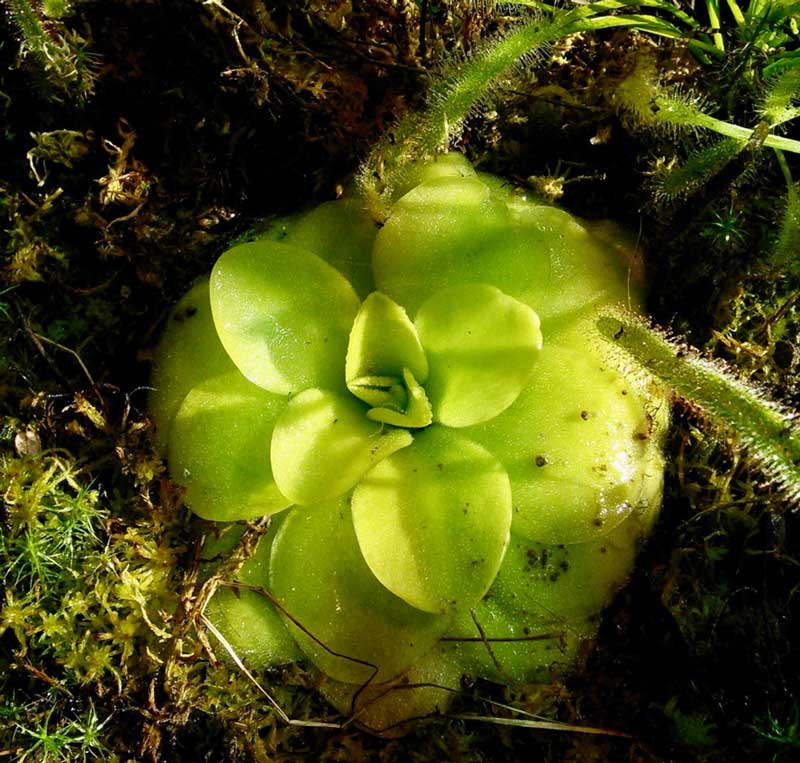
Let’s talk about butterworts. These small, sticky-leaved plants, officially called Pinguicula, are some of the easiest carnivorous plants to grow indoors. They have a neat trick, catching fungus gnats and other tiny insects on their leaves. That is how they pull in nutrients, and it makes them both useful and interesting to look at.
If you want plants that help keep pests down and do not require much from you, this is one to try. We are going to walk through exactly how to care for them, especially in the colder seasons when bugs disappear and light shifts indoors. Whether you are new to houseplants or already have a few pothos or philodendrons around your home, butterworts can be a fun, low-fuss addition to your mix of easy houseplants for beginners.
Understanding Pinguicula and What Makes Them Different
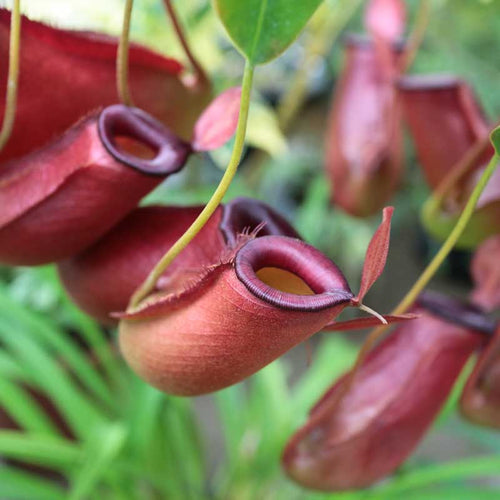
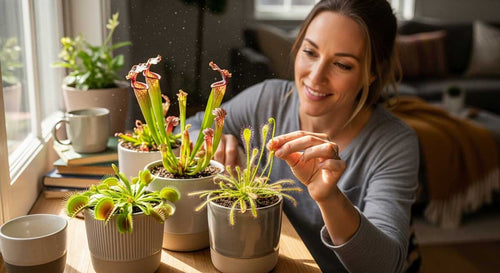
Butterworts are part of the carnivorous plant category, meaning they get nutrients by catching and breaking down bugs. They do not act like the hungriest in that group. Instead of having big traps like a Venus flytrap or the pitchers of a Nepenthes, Pinguicula use their flat, sticky leaves to trap smaller flying insects.
They thrive on minimal care. Their compact size means they do not crowd your shelves or counters. Most of ours grow happily in a sunny bathroom window or next to other humidity-loving plants. In the cold months, they are great because they keep their shape and do not need an overload of sunlight or space to stay healthy.
There are many types of Pinguicula, but the Mexican species tend to do best indoors. They are less fussy and stay active through most of the year. Some temperate types go dormant in winter and may need cooler temperatures during that rest period. Knowing what kind you have will help you care for it without guessing.

Light, Water, and Soil Needs for Happy Butterworts
Butterworts like bright, indirect sunlight. During November and the rest of winter, we move ours to south-facing windows or under grow lights for at least six hours of daily light. If your plant starts to stretch or pale out, it probably needs more light.
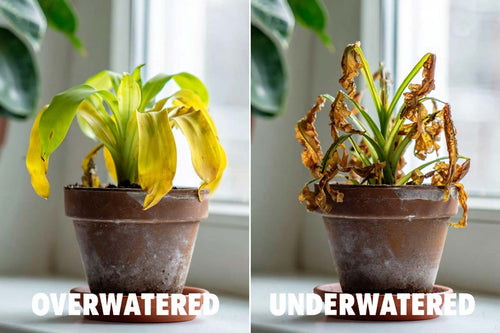
When it comes to water, these plants do not want overly wet feet. They also cannot dry out completely. We only use distilled or rainwater, since minerals in tap water can build up and affect the roots. Some growers use trays with shallow water, but we keep the soil just damp and let the pot drain freely.
Carnivorous plants naturally grow in nutrient-poor environments, so normal houseplant soil is not right for them - compost, manure, and added fertilizers can burn their roots. They grow best in a loose, nutrient-free blend—with materials like sphagnum moss, sand, and perlite that stay airy and moist but don’t contain compost. This gives their roots air while keeping moisture near the surface. Less really is more for these plants.
Supporting Growth with Gentle Nutrition (Even for Carnivores)
If there are not many insects around, like during fall and winter, we feed our butterworts once a month using a very diluted foliar spray. It is a low-nitrogen, no-burn type formulated for carnivorous plants. We mist the leaves lightly in the morning so it absorbs during the day.
Bugs are always the preferred source of nutrients, so if the plant catches an insect naturally, we skip feeding that month. Traditional plant fertilizers are too strong and can burn the leaves, especially if applied directly. That is why we use foliar sprays made with amino acids and micronutrients. If our plant looks pale or slow to grow, that is our cue to offer a little nutrition.

Troubleshooting Common Butterwort Issues
Most problems with butterworts are from overwatering, poor lighting, or using the wrong soil. If the leaves turn brown or stop looking sticky, it is usually because the roots are stressed. In cooler months, we cut back on watering and double-check light levels. If the base of the plant feels soft or mushy, that could be root rot, and we repot right away in a fresh, dry mix.
Some types of Pinguicula go dormant in winter. Their leaves shrink and slow down, and they may look like they are dying. That is not the case. We leave them alone, keep the soil barely damp, and avoid feeding until they wake back up in spring.
As for pests, fungus gnats are sometimes a problem, especially if the soil stays too wet. The good part is that butterworts help catch them. We still check under leaves and around the roots now and then, especially if we have had issues nearby with crowded plants.
Repotting is needed only once every couple of years or when the plant seems unhappy. In cooler months, we avoid disturbing the roots and wait until light and growth pick up again.

Butterworts and the Easy Houseplant Lifestyle
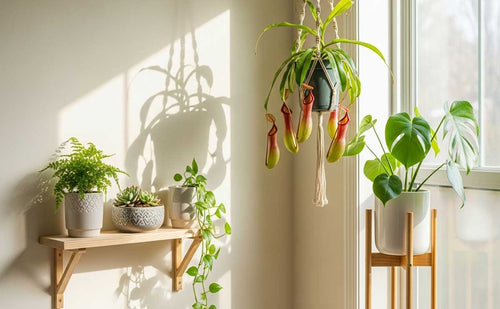
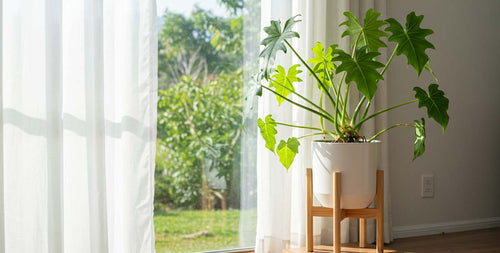
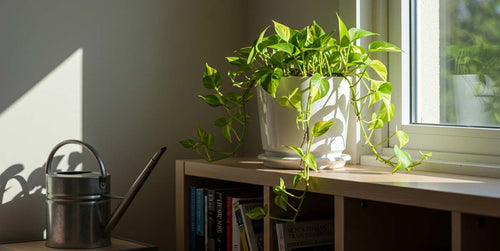
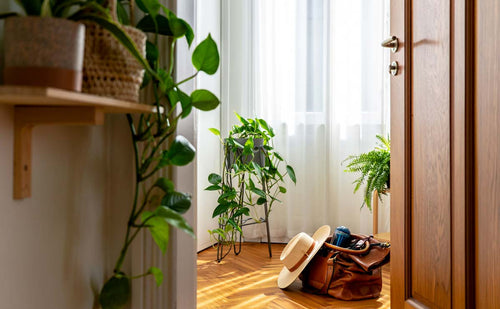
If you like plants that are compact, interesting, and take care of themselves most of the time, adding a butterwort to your group makes a lot of sense. We group ours on windowsills next to pothos and philodendrons. They look good together and fill slightly different needs. While pothos trail and vine, butterworts stay tidy. Where philodendrons bounce back from a missed watering, Pinguicula sit still and wait patiently for the next misting.
Create Your Own Low-Maintenance Oasis
Butterworts have become one of our favorite low-maintenance plants. They stay small, catch pests, and do not need constant attention to thrive.
If you want to explore even more ways to grow your indoor garden with unique and resilient plants, the Houseplant Resource Center is here to help you with additional advice, inspiration, and community tips. Enhance your indoor space and nurture your plant collection with knowledge you can trust. Join fellow enthusiasts for support every step of your houseplant journey!